Stop Asking What a Country Is Famous For
“What is this country famous for?” It sounds like a harmless question. It is also one of the quickest ways to have a very boring trip. Ask someone about Kenya and you’ll probably hear safari. Ask about Egypt and someone will mention the pyramids. Ask about Nigeria and Lagos, Afrobeats or jollof rice might come up. Ask about Morocco and you’ll hear about Marrakech, the desert and the markets.
All of those answers are true. But they are not the whole story. And if you build your trip around only what a country is famous for, you might spend your entire holiday looking at the same things everyone else came to see.
Famous doesn’t always mean meaningful
Think about the most photographed place in a city. Thousands of people have taken the same picture, and you will probably take it too. There is nothing wrong with that. If I travel somewhere and see something incredible, of course I’m going to take a picture.
But the photograph isn’t necessarily the experience.
You can stand in front of a famous building for ten minutes, take thirty pictures and leave knowing almost nothing about the place. Or you can spend an hour talking to someone who lives nearby and suddenly understand why that neighborhood matters. Which one do you think you’ll remember?
Ask a different question
Instead of asking, “What is this country famous for?” try asking, “What do people here love? That question changes everything.
What do people eat when they’re celebrating? Where do they go on weekends? What music is playing everywhere? What sport gets people arguing? Which neighborhood has the best food? What do families do together? Where would a local take a friend who was visiting for the first time?
Those questions take you somewhere completely different. They move your attention away from the things a destination has been packaged around and towards the things that actually make everyday life there interesting.
Every country has a tourist version
There is nothing wrong with the tourist version. It exists for a reason. People want to see the Eiffel Tower. People want to see the pyramids. People want to go on safari. People want to visit Big Ben. Go. Enjoy it. Take the picture.
Then keep going. Because every destination has another layer underneath the obvious one. The neighborhoods, the markets, the food stalls, the music, the conversations and the people who have lived there their entire lives.
There are places that never make it into your first Google search. There are restaurants that don’t have hundreds of reviews. There are streets you might walk through without realising that something important happened there. That is where things can get interesting.
The best recommendation might not be online
This is one of the things I love about travel. You can spend three hours researching restaurants before your trip. You can save twenty places on your phone, read reviews and build an entire food itinerary.
Then you arrive and someone says, “Forget those. Go here.” And you do. Maybe it’s amazing. Maybe it isn’t. But now you have a story. That’s why I think local recommendations are still incredibly valuable. The internet can tell you what is popular. A person can tell you what feels right.
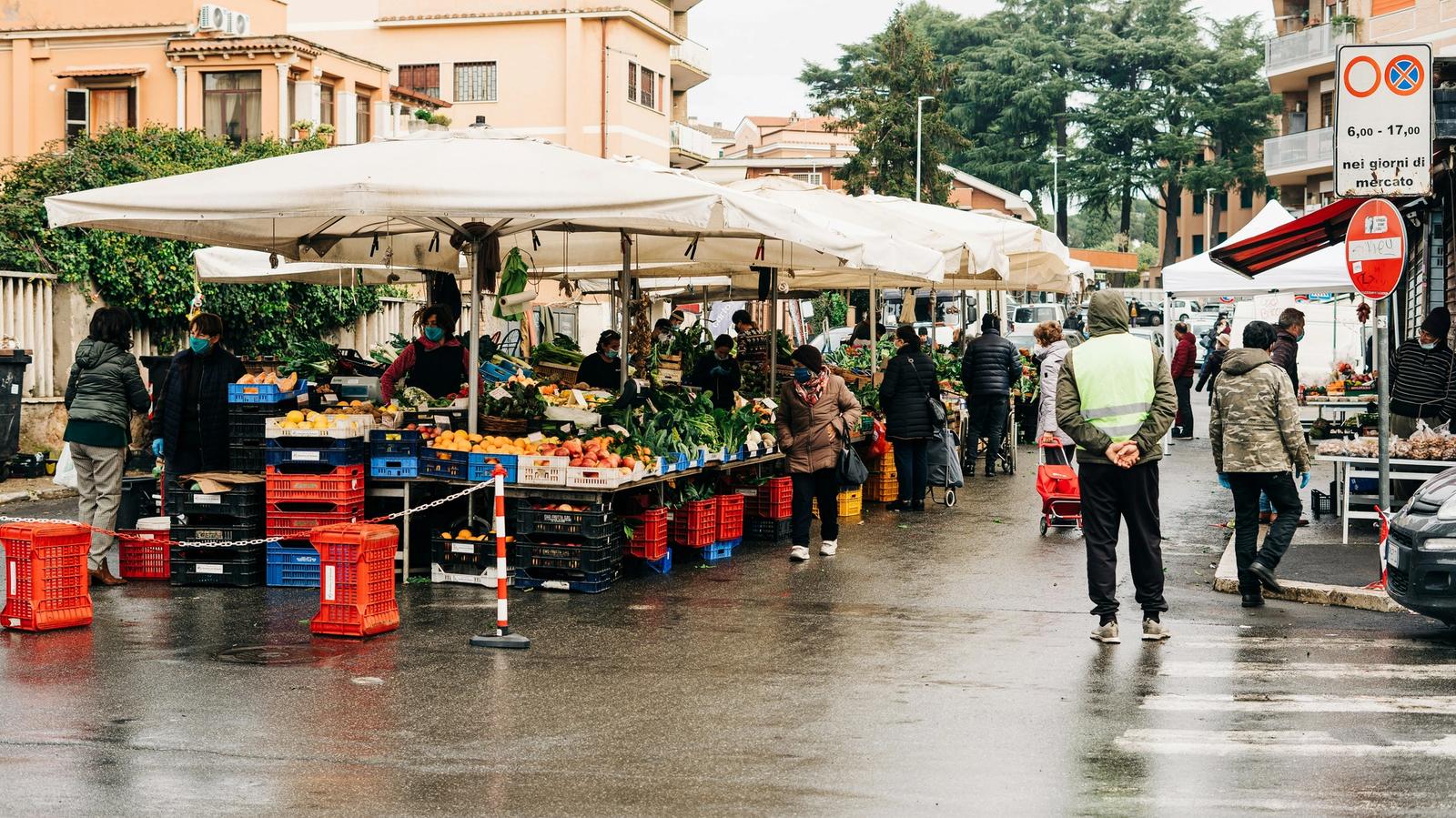
There is a difference. Sometimes the best place you visit is not the one with the highest rating. It is the small restaurant someone recommends because they grew up eating there. It is the market someone tells you to visit on a particular morning. It is the neighborhood someone says you should walk through before sunset.
Those details are difficult to find in a search result.
This doesn’t mean you should ignore the famous places
I’m not saying that. If you visit Egypt, see the pyramids. If you visit Tanzania, go on safari. If you visit London, see the landmarks. If you visit Ghana, experience the history. If you visit Morocco, explore the medina. You don’t have to reject the things tourists do just to prove that you’re a traveller who is different.
The point is simply not to stop there. Let the famous place be the door. Then walk through it.
If you visit the pyramids, learn about the people and history surrounding them. If you go on safari, pay attention to the communities and landscapes beyond the animals. If you visit a famous market, don’t just buy something and leave. Look at what people are buying, what they are eating and how the place fits into everyday life.
The famous attraction gives you a starting point. Curiosity takes you further.
Travel is better when you become curious
Curiosity changes the way you move through a place. Instead of walking past a market, you wonder what’s being sold. Instead of looking at a building, you wonder why it was built that way. Instead of ordering the safest thing on the menu, you ask what the local favourite is.
Instead of taking a taxi straight back to your hotel, you ask whether there is somewhere interesting nearby.
You start noticing things. And once you start noticing things, the country becomes much bigger than the tourist map. You begin paying attention to the little details that would have been invisible if you were only moving from one famous attraction to another.
This is what we try to build into Gidi Tour
When we talk about tours, I don’t think the real value is simply taking someone somewhere. Anyone can point to a landmark. The better experience is helping someone understand it.
Giving them the story behind it. Introducing them to the food. Showing them a neighborhood they might not have found themselves. Explaining the little things that don’t appear on an itinerary. That is what makes a tour feel less like sightseeing and more like actually being somewhere.
And I think that is what people are really looking for when they travel.They don’t just want to say, “I’ve been to Ghana.” They want to feel like they know a little bit of Ghana.mThey don’t just want to say, “I’ve been to Kenya.” They want a story from Kenya.
So the next time you’re planning a trip
Don’t throw away the famous places. Just don’t let them be the entire trip.
See what everyone tells you to see. Take the picture. Enjoy the attraction. Then ask a few better questions. Where do people actually eat? What do people do for fun? What part of the city has a story? What should I try? What would you show your friend if they came to visit? Those questions can take you somewhere a travel ranking never will.
Because a country is not its top ten attractions. It’s the people who live there. The food they cook. The music they play. The stories they tell. The places they go when nobody is watching.
And sometimes, that’s the part of the country you’ll remember long after the famous picture has disappeared into your camera roll.