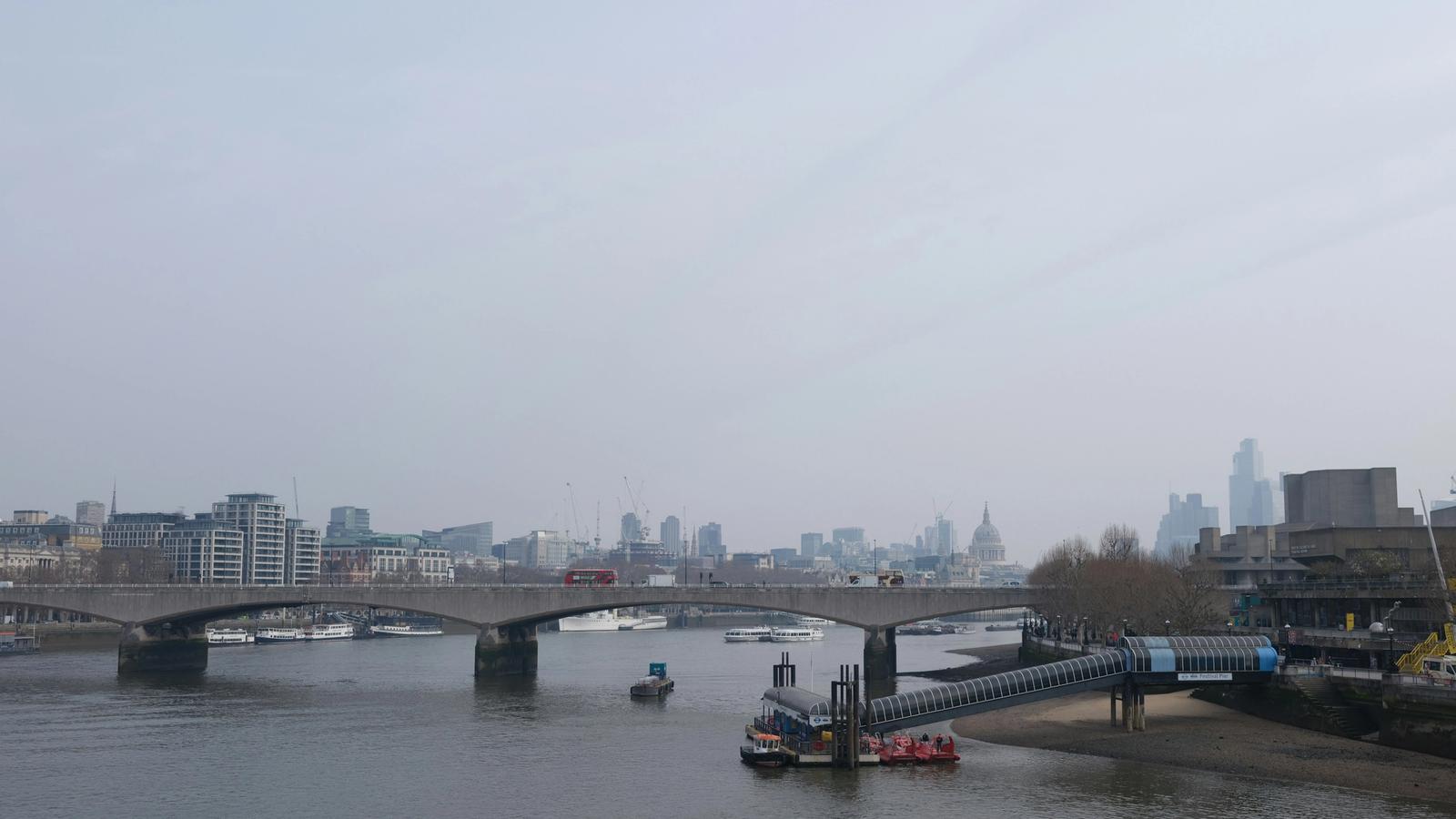
The Thames Has Seen More of London Than Any Tourist Ever Will
If the River Thames could talk, I don’t think London would ever stop hearing from it. It has watched the city arrive, grow, burn, rebuild itself and become something almost unrecognizable from what stood here centuries ago. Long before the glass towers, the red buses and the crowds taking pictures on Westminster Bridge, the river was already doing what rivers have always done: carrying people, goods, ideas and trouble from one place to another.
That is probably why I think the Thames is one of the best ways to understand London.
You can stand beside it today and see a modern capital. Look a little closer, though, and you are looking at the reason the city became important in the first place.
London started with the river
Roman London, or Londinium, was established around AD 50, and its position beside the Thames was not an accident. A bridge was built across the river, creating an important crossing and helping the settlement develop into a commercial centre. Traders were drawn to the area because the river connected London to wider networks of movement and trade.
That makes the modern London Bridge area more interesting than it first appears.
Today, you might cross the bridge surrounded by tourists, buses and people heading to work. But somewhere underneath that modern movement is the memory of an older city that depended on the same crossing.
The roads around the City of London still carry traces of that Roman layout. Fish Street Hill, for example, follows one of the important routes of Roman London towards the river crossing. Other modern streets also follow lines established during London’s earliest development.
So when you walk through the City, you aren’t always walking through a completely new London. Sometimes you’re walking along an old idea with new buildings placed around it.
The river was London’s highway
Before London had underground trains, motorways and airports connecting it to the rest of the world, the river did a lot of the heavy lifting. Goods arrived by water. Ships brought materials into the city. Warehouses and wharves developed along the river. People made their living from the activity around it.
Roman London itself had an extensive waterfront. Archaeological evidence shows that wharves, revetments and docks were constructed along the north bank, with the waterfront gradually pushed further into the river as the port developed. Some of those Roman structures are still preserved beneath today’s buildings.
That is one of the strange things about London. You can be standing beside an ordinary-looking modern building and be only a few meters above something that is nearly two thousand years old.
The city keeps building over itself. It doesn’t erase the older versions completely.
Then London kept changing
The river remained important through the medieval period, when London became a major centre of commerce and trade. The medieval city was crowded inside its walls, with narrow streets leading towards markets, wharves and warehouses. The shoreline itself changed as people reclaimed land from the river and extended the waterfront.
This is something I think visitors can easily miss. When you look at the Thames today, it feels like a fixed part of the city. You see the water, the bridges and the embankment and assume that’s how it has always looked. It hasn’t.
London has spent centuries changing its relationship with the river. The shoreline moved. Wharves appeared and disappeared. Buildings came and went. Bridges were rebuilt. The city kept finding new ways to use the same stretch of water.
Even the river couldn’t escape London’s disasters
Then came 1666. The Great Fire of London destroyed large parts of the City, and the rebuilding that followed changed the appearance of London dramatically. The fire destroyed hundreds of acres inside and outside the City walls, and the rebuilding under figures such as Christopher Wren helped create parts of the London that visitors recognize today.
But the interesting part is that the fire didn’t erase London’s past. In some places, the rebuilding simply happened on top of it. That is almost the story of London in miniature. Something gets destroyed. Something new is built. And underneath it, something older remains.
The walls are still there
One of my favourite things about London’s history is how little warning you sometimes get before you encounter it. You can be walking through a modern part of the City and suddenly find yourself looking at a piece of Roman or medieval wall.
The Roman city was eventually surrounded by substantial defensive walls. Parts of London Wall remain visible today, while other sections survive underground beneath modern buildings. Historic England notes that sections of the Roman riverside wall are still preserved below buildings along Upper and Lower Thames Street.
That means London’s history isn’t always presented to you as a grand attraction. Sometimes it is simply there. You have to notice it.
The Thames has seen the city at its best and worst
This is what makes the river such a good storyteller. It has seen London as a small Roman settlement. It has seen the medieval city become wealthy through trade. It has seen ships arrive from distant parts of the world. It has seen London’s waterfront become crowded with commerce. It has seen fires, rebuilding, industrialization and the transformation of the city into one of the world’s major capitals.
And today, people stand beside it taking pictures. Couples sit along the river. Tourists cross its bridges. Office workers walk past it on their way home. Restaurants and bars face it. The same river is still there, even though almost everything around it has changed.
This is why I don’t think you should rush past the Thames
A visitor can come to London and spend the entire day moving between famous attractions. Buckingham Palace. Westminster Abbey. Big Ben. The London Eye. The Tower.
And there’s nothing wrong with that. But at some point, stop. Stand beside the Thames. Look at the water. Look at the bridges. Look at the buildings on both sides.
Then think about how many generations of Londoners have stood somewhere around that same river for completely different reasons. Some came to trade. Some came to work. Some came to travel. Some came to fight. Some came simply because the river was part of their everyday life.
That is what makes historical places interesting to me. You don’t need to imagine yourself in a completely different world. You only need to realize that the world you’re looking at has already existed in several different versions.
A good London tour should make you notice that
This is one reason local knowledge can change the way a visitor experiences a city. You can walk beside the Thames and enjoy the view without knowing any of this. Or someone can point at a street, a building, a bridge or a piece of wall and explain what stood there before.
Suddenly the city has another layer. That is the kind of experience Gidi Tour can build around London: not simply taking people to places, but helping them understand what they are actually looking at.
Because London is not just a collection of attractions. It is a city that has been repeatedly built on top of itself. And perhaps the best way to understand it is to follow the thing that was there before almost all of the things we recognize today. The river.
The Thames has been watching London for nearly two thousand years. Most tourists get a few hours with it. The river has seen everything.