The Airport Is Lying to You: What Your First 24 Hours in a New Country Really Feel Like
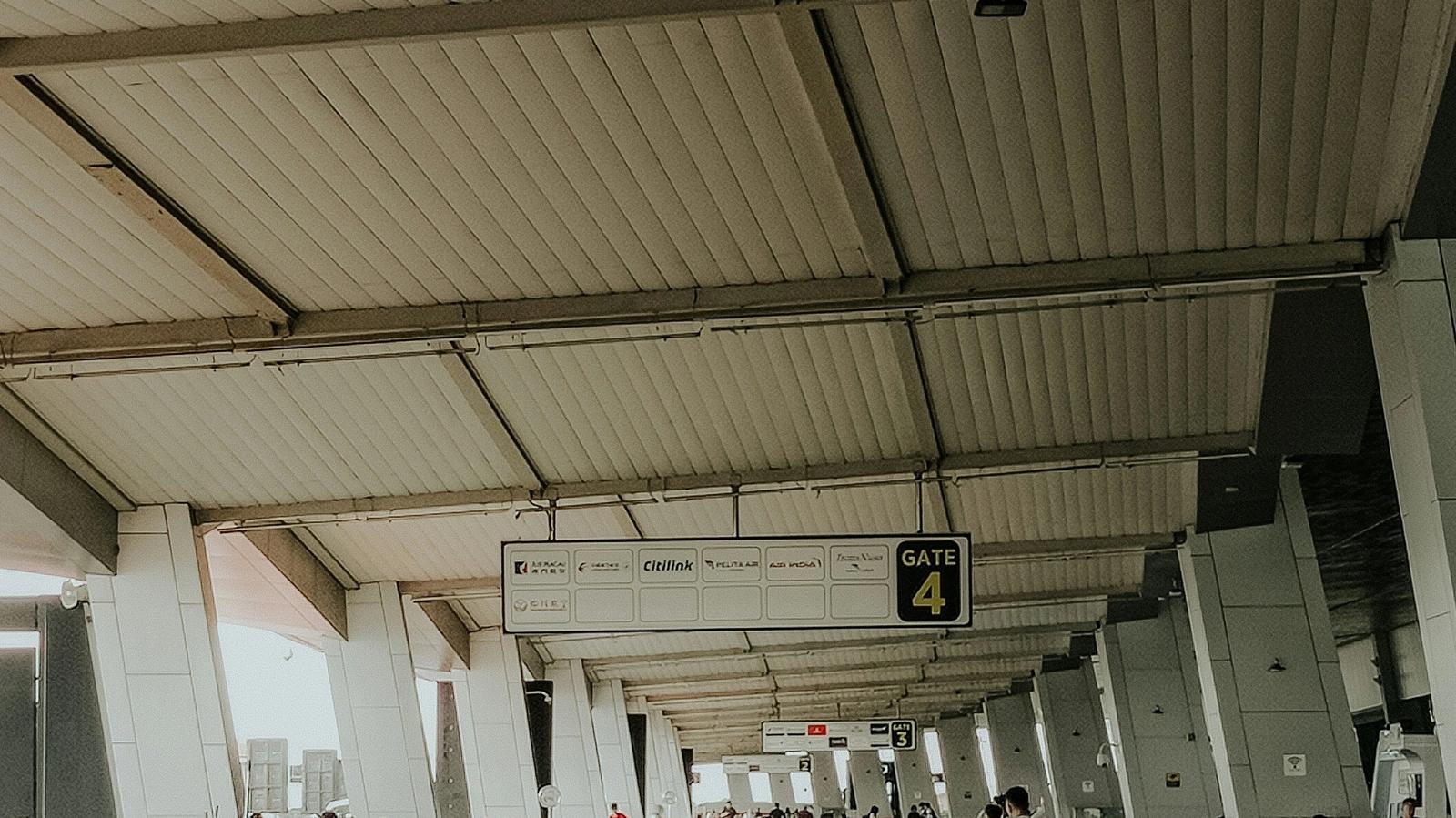
Everything looks easy at the airport. Your bags arrive. You have your passport. Your phone is charged. You know the name of your hotel. You even have a screenshot of the address just in case. You walk out of arrivals feeling like you’ve got this.
Then someone asks you a question you don’t understand. Your internet stops working. You realise you don’t have the local currency. The taxi driver is waiting somewhere you can’t find. And suddenly that confident feeling you had five minutes ago has disappeared.
Welcome to your first day in a new country.
The first 24 hours are rarely glamorous
Nobody puts this part in the travel videos. The airport arrival looks beautiful, the luggage comes through, you walk out of the terminal and everything seems exciting. Then you’re standing outside trying to figure out which direction to go.
You’re tired. You’re hungry. You don’t know how much anything should cost yet. Every price feels either ridiculously cheap or suspiciously expensive because you haven’t learned the currency properly. And then there is the question every traveller eventually asks: “Am I being charged too much?” You don’t know yet.
You are still learning the place, learning how things work and trying to understand what is normal. That is why I think the first day of a trip deserves more patience than we usually give it. Don’t expect yourself to understand a country within a few hours of landing. You’ve only just arrived.
Your phone becomes your best friend
Until it doesn’t. Google Maps, translation apps, hotel confirmations, restaurant reviews and currency converters, everything is on your phone. For the first few hours, it can feel like you have the whole country sitting in your pocket.
Until you realize your phone has no internet. Now you’re standing somewhere unfamiliar with 4% battery, trying to remember where the hotel was and wondering whether you should have taken a screenshot of the directions after all.
This is why I always think the boring preparation matters. Have your accommodation details saved offline. Know how you’re getting from the airport. Have some way to access money. Keep important information somewhere you can reach without internet.
These things aren’t exciting. But neither is spending two hours trying to solve a problem that could have taken five minutes to prepare for.
Then comes the money question
Every country has its own relationship with money. Different notes. Different coins. Different prices. Different expectations around tipping. And different ways of paying.
In some places, your card will work almost everywhere. In others, cash can save you from a lot of stress. The first few purchases can feel strange because you’re still converting everything in your head.
“Wait, how much is this actually?” Eventually, you stop calculating. You just know.
That is one of those small signs that you’re starting to settle into a place. You begin recognizing the notes, understanding what a normal price looks like and paying for something without immediately reaching for your currency converter.
Food is usually where things get interesting
Your first meal in a new country can go one of two ways. You find exactly what you were looking for, or you look at the menu and understand absolutely nothing.
I actually prefer the second one. Not because I enjoy being confused, but because it forces you to ask questions. What’s this? How do people usually eat it? Is it spicy? What would you recommend?
You might discover something you would never have ordered yourself.
And that’s one of the reasons I think food is such an important part of traveling. You don’t just taste a country. You learn a little about it. What people eat, how they gather, what flavors they grew up with and sometimes even the stories behind a particular dish.
Your first meal doesn’t have to be at the most famous restaurant in the city either. Sometimes the meal you remember most is the one you found because someone nearby told you, “You should try this.”
You will probably misunderstand something
It could be a gesture. A phrase. A social rule. The way people queue. The time something is expected to start. How directly people speak. Something will probably catch you off guard. And that’s okay.
You are the visitor. You don’t have to know everything. In fact, one of the best things you can do is ask instead of assuming.
Most people are happy to explain when they realize you’re genuinely trying to understand. You might get something wrong, laugh about it and move on. That small attitude, being curious rather than defensive, can completely change how people respond to you.
Traveling becomes much easier when you stop expecting everyone else to do things the way you are used to.
This is where local knowledge becomes useful
There is a reason people still hire guides when information about almost every destination is available online. Sometimes you don’t need more information. You need context.
You need someone who can say, “Let’s not go there right now. It’s too crowded.” Or, “Try this instead.” Or, “That place is interesting, but if you only have one afternoon, I’d choose this.”
That is the kind of thing we care about at Gidi Tour. Not simply knowing where a place is, but knowing how to experience it.
Because a visitor can have a list of twenty places saved on their phone and still have no idea what to do when they arrive. A search engine can tell you that a place exists. A local can help you understand when to go, what to look for, what to skip and what is actually worth your time.
That difference can turn a trip from simply visiting somewhere into actually experiencing it.
Your first day doesn’t need to be productive
This might be the most important thing. You don’t have to conquer the city on your first day. You just flew there. You’re tired. Your body is trying to figure out what time zone it belongs to, your brain is processing a completely unfamiliar environment and you’re probably carrying more luggage than you want to admit.
Take a walk. Eat something. Look around. Get familiar with your neighborhood. Have a proper meal. Go to bed. There will still be things to see tomorrow. The country isn’t going anywhere.
And if you are lucky, the first 24 hours will contain a few small surprises. A conversation. A strange food. A funny misunderstanding. A street you didn’t expect. A place you almost walked past.
Those moments are often the beginning of the real trip.
The airport may have made everything look easy. Your booking was confirmed, your bags arrived and your hotel was waiting for you. But the first day reminds you that you are somewhere new — and that means there will be a little confusion, a little adjustment and probably a few moments you didn’t plan for.
And honestly? That’s part of the fun.